
Ducal Palace of Gandia, Valencia – Buy Tickets Online & Explore the Historic Borgia Residence
This website offers official tickets for this venue. Please note, however, that it is not the official website of the venue.

Smartphone tickets

Priority Access Available

Instant confirmation

Flexible cancellation
Smartphone tickets
Why wait?
Instant confirmation
Flexible cancellation
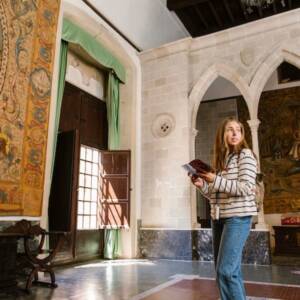
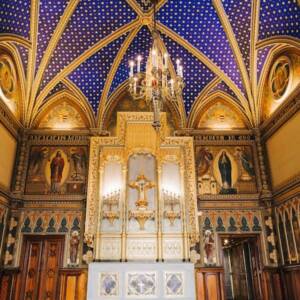
Ducal Palace of Gandía: Audio guided tour
Highlights
Delve into the cultural heritage of one of Valencia’s most significant buildings.
Gain insight into the influential Borja family and prominent historical figures.
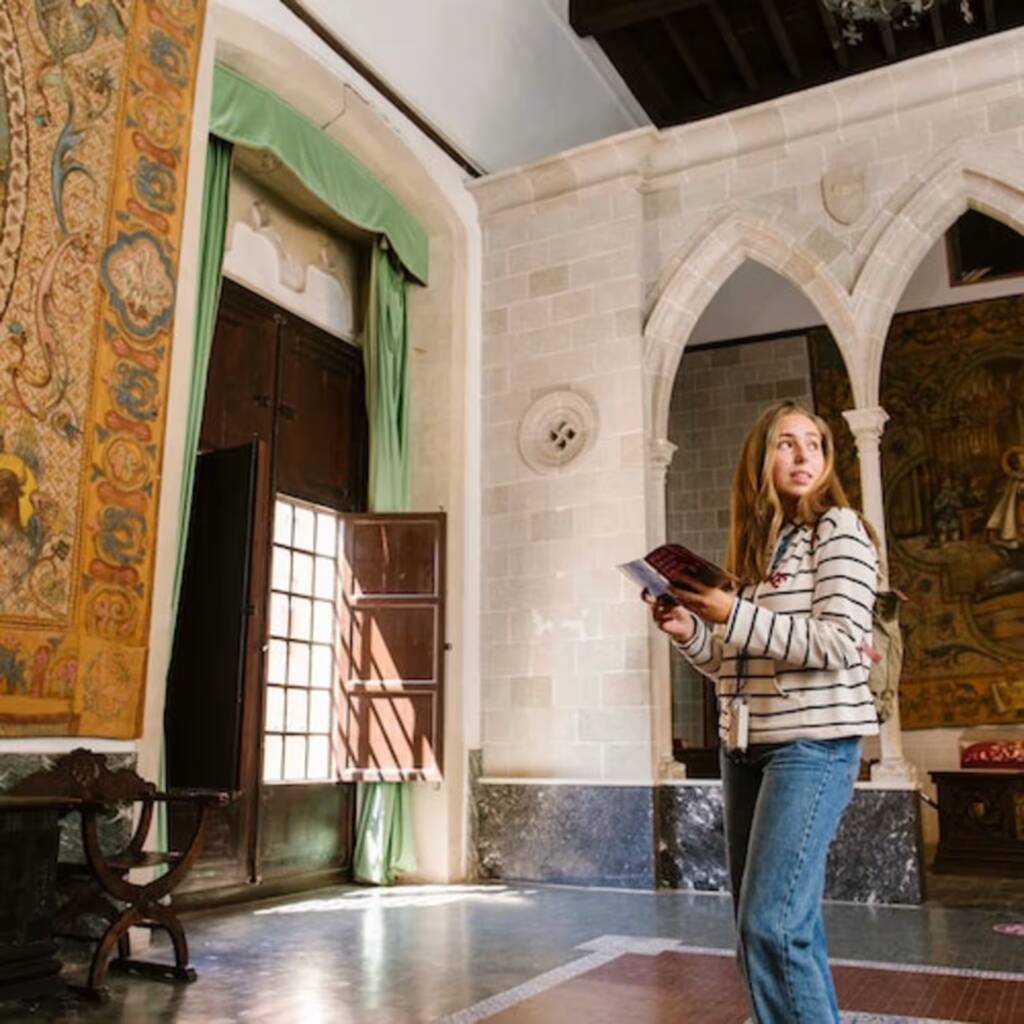
Marvel at the architectural styles ranging from Gothic to Baroque and Mudejar.
Enjoy a comprehensive audio narration available in multiple languages.
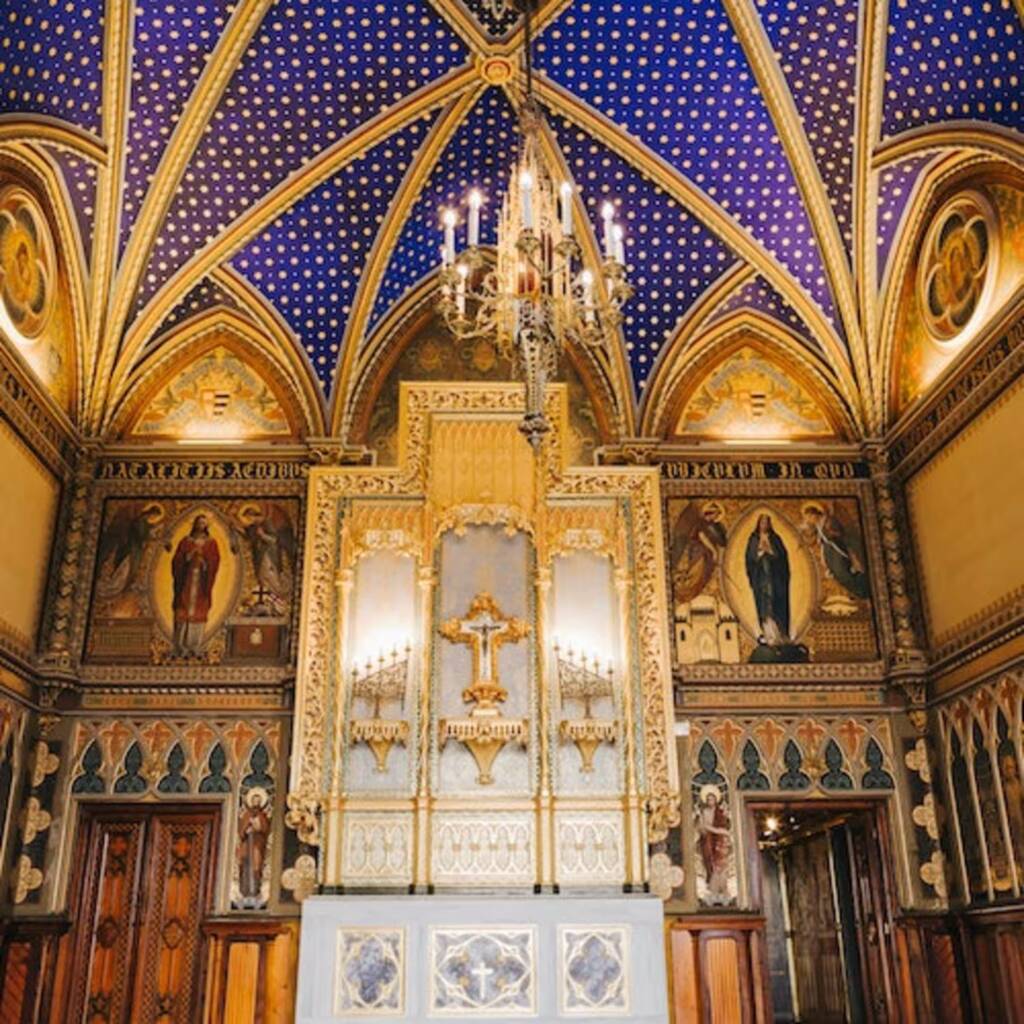
Discover breathtaking interiors filled with artistic and historical treasures.
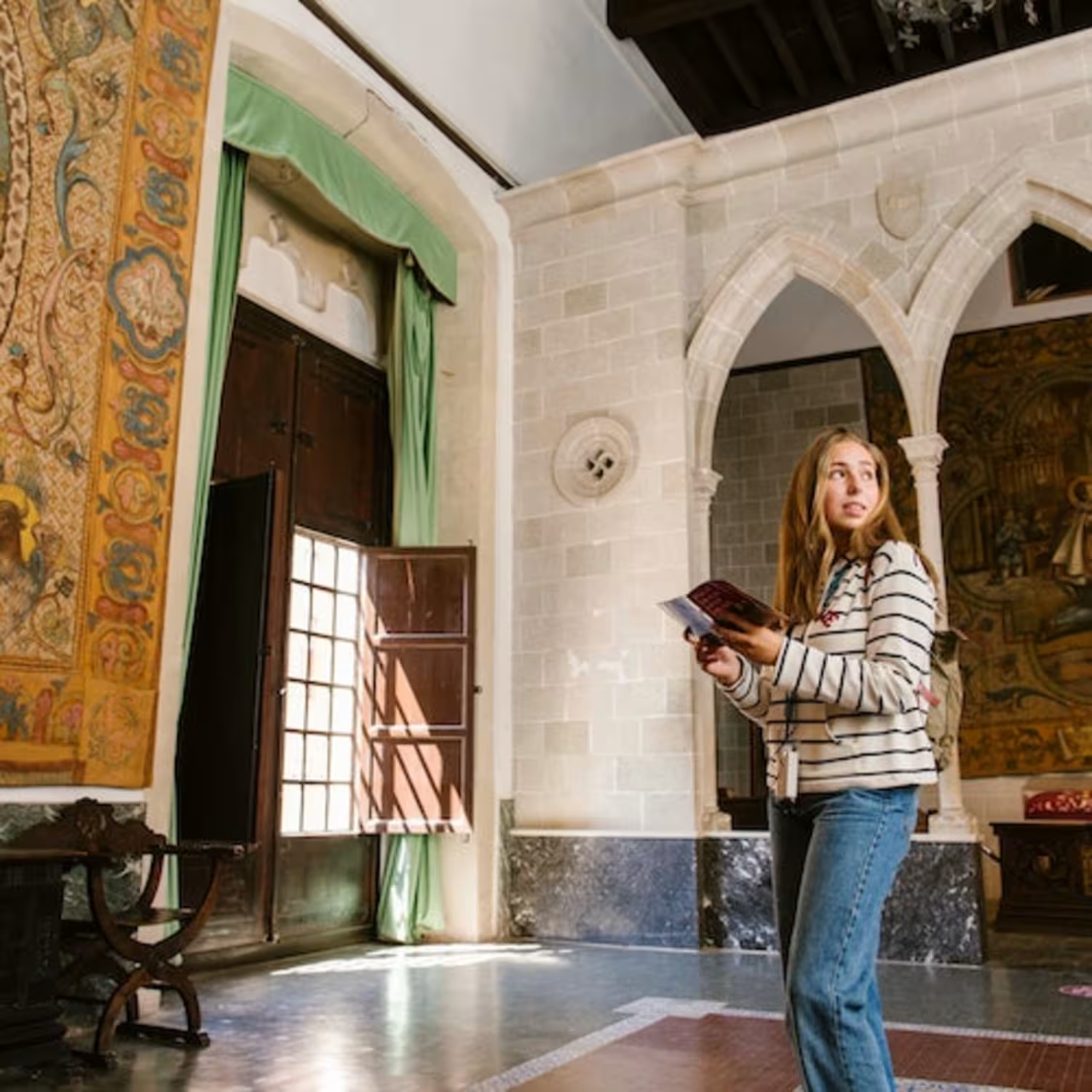
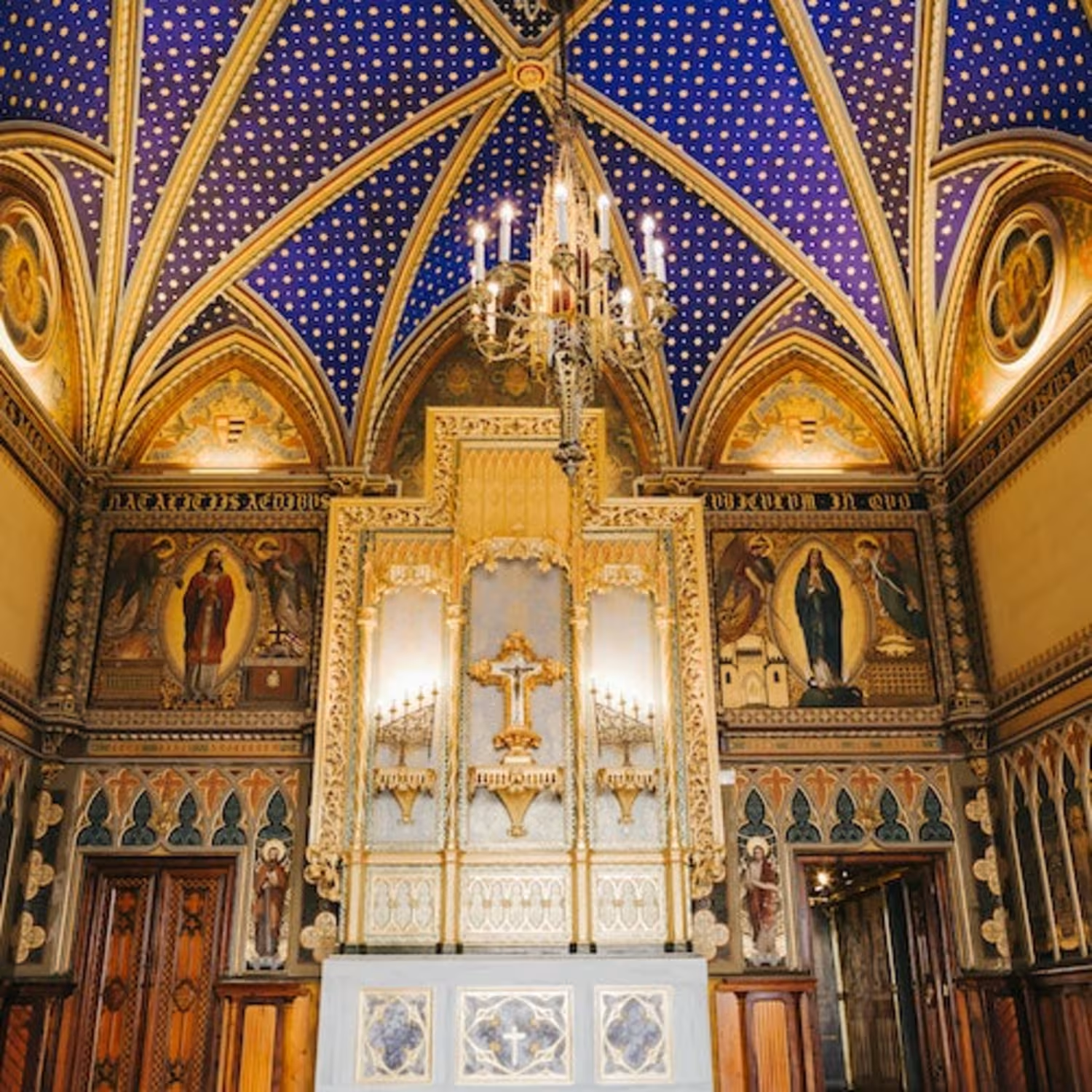
Welcome to the Ducal Palace of Gandia
The Ducal Palace of Gandia is a remarkable historical landmark that showcases centuries of rich heritage and architectural beauty, reflecting the legacy of the influential Borgia family. Visitors can explore stunning Gothic, Renaissance, and Baroque styles throughout the palace’s magnificent staterooms and galleries. Don’t miss the chance to immerse yourself in this unique cultural experience—secure your tickets today to explore the Ducal Palace of Gandia and its captivating history.
About Ducal Palace of Gandia
Why Visit the Ducal Palace of Gandia in Valencia?

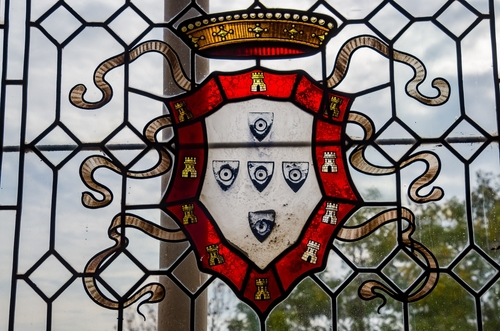
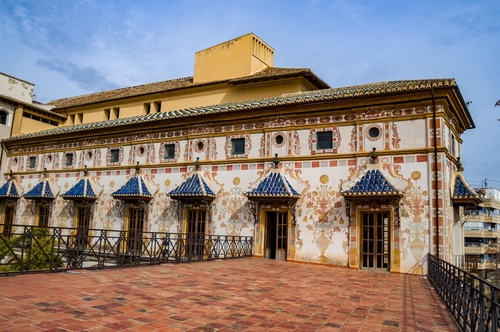
Operating Hours of Ducal Palace of Gandia in Valencia
Best Times to Visit Ducal Palace of Gandia in Valencia
Late Mornings (11:00 AM – 1:00 PM)
Late morning is one of the best times to visit the palace, as early-opening crowds have usually cleared. This window allows you to move comfortably through the rooms, admire the architectural details without feeling rushed, and take photos in better natural light, especially in interior courtyards and ceremonial spaces.
Weekdays, Especially Tuesday Through Thursday
Weekdays tend to be quieter than weekends, with midweek visits offering the most relaxed experience. Visiting between Tuesday and Thursday gives you more space to explore the palace interiors, read historical exhibits at your own pace, and enjoy a calmer atmosphere overall.
Afternoons in Summer (4:00 PM Onward)
During the warmer months, afternoon openings starting around 4:00 PM are ideal. Temperatures are cooler, visitor numbers are lower, and the palace interiors provide a comfortable escape from the heat. This is a great time for travelers who prefer slower sightseeing and fewer crowds.
Outside Peak Tourist Seasons
The palace sees higher footfall during summer holidays, Easter, and long weekends. For a quieter visit, plan your trip in late fall or early spring, when tourism in Gandia is lighter. These off-peak periods offer a more intimate experience and make it easier to combine your visit with exploring the historic town center nearby.
During Cultural Events and Guided Tours
Certain times of the year feature special guided tours, cultural events, or themed visits that add extra context to the palace’s rich Borgia heritage. Visiting during these programs allows you to gain deeper insights into the history and architecture, making your experience even more memorable.
Where to Find Ducal Palace of Gandia in Valencia
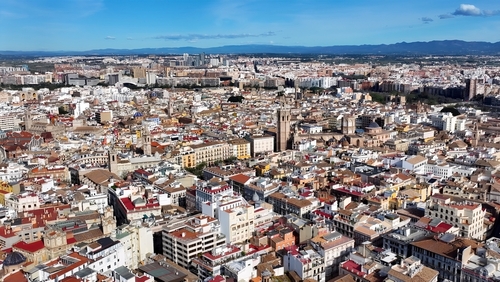
How to Get to the Ducal Palace of Gandia, Valencia
By Car
Gandia is accessible via the AP-7 and N-332, making it a straightforward drive from Valencia (around 1 hour).
The palace sits within a pedestrian-friendly historic zone, so parking directly outside is limited.
Use nearby public parking garages such as those around Plaça del Prado or Plaça del Tirant, then walk 5–10 minutes.
Arriving earlier in the day improves parking availability, especially on weekends.
By Train
Regular Renfe Cercanías (C1 line) trains run between Valencia Nord Station and Gandia.
Travel time is approximately 60 minutes, making it ideal for day trips.
From Gandia Train Station, the palace is a 10–12 minute walk through commercial streets and historic areas.
This is the most convenient option for visitors coming from Valencia without a car.
By Bus
Local city buses stop close to the historic center, within a short walk of the palace.
Intercity buses connect Gandia with nearby coastal resorts and surrounding towns.
Buses are cost-effective and useful for visitors staying outside the city center.
Checking routes ahead of time is recommended, especially on Sundays and holidays.
On Foot
If you’re staying in central Gandia, the palace is easily reachable on foot.
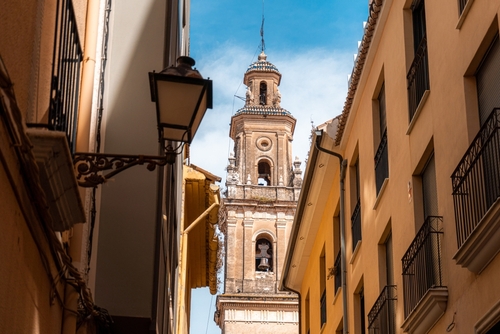
Walking allows you to experience the old town’s narrow streets, plazas, and local shops.
The route is mostly flat and well signposted.
This is the best option for combining sightseeing with your palace visit.
By Taxi
Taxis are readily available throughout Gandia and from the train station.
The ride to the palace is short and affordable due to its central location.
Ideal for visitors traveling with family, limited time, or mobility concerns.
Taxis are also convenient for returning to the station after your visit.
Things to Know Before Visiting the Ducal Palace of Gandia
- Facilities
- Accessibility
- Guidelines
- Rules
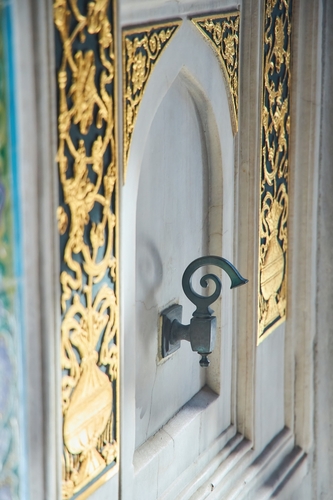
Interesting Facts About the Ducal Palace of Gandia in Valencia
It Was Home to the Powerful Borgia Family
The palace was the official residence of the Borja (Borgia) family, one of the most influential and controversial dynasties in European history, known for producing popes, nobles, and political powerbrokers.
Saint Francis Borgia Lived Here
One of the palace’s most famous residents was Saint Francis Borgia, the 4th Duke of Gandia, who later renounced his noble title to become a Jesuit priest and was canonized by the Catholic Church.
The Golden Gallery Is a Hidden Gem
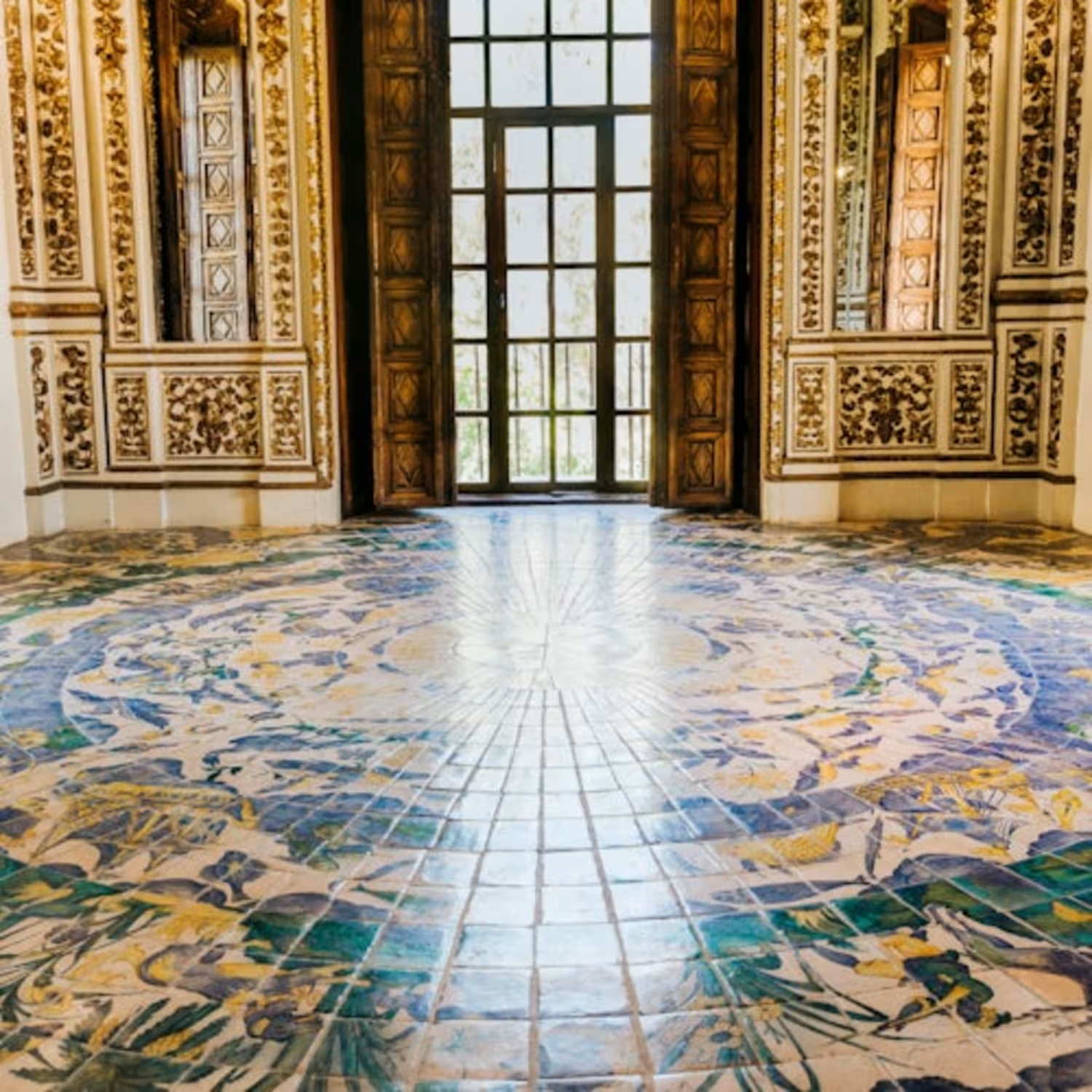
The palace’s Galería Dorada (Golden Gallery) is one of its most impressive spaces, richly decorated with gold detailing and religious symbolism, yet often overlooked by casual visitors.
The Palace Blends Multiple Architectural Styles
Over centuries, the building evolved to include Gothic, Renaissance, and Baroque elements, reflecting the changing tastes and power of its residents.
It Was Built on the Site of an Earlier Structure
The palace stands on foundations dating back to a medieval fortified residence, showing how it transformed from a defensive stronghold into a noble home.
Still Used for Cultural Events Today
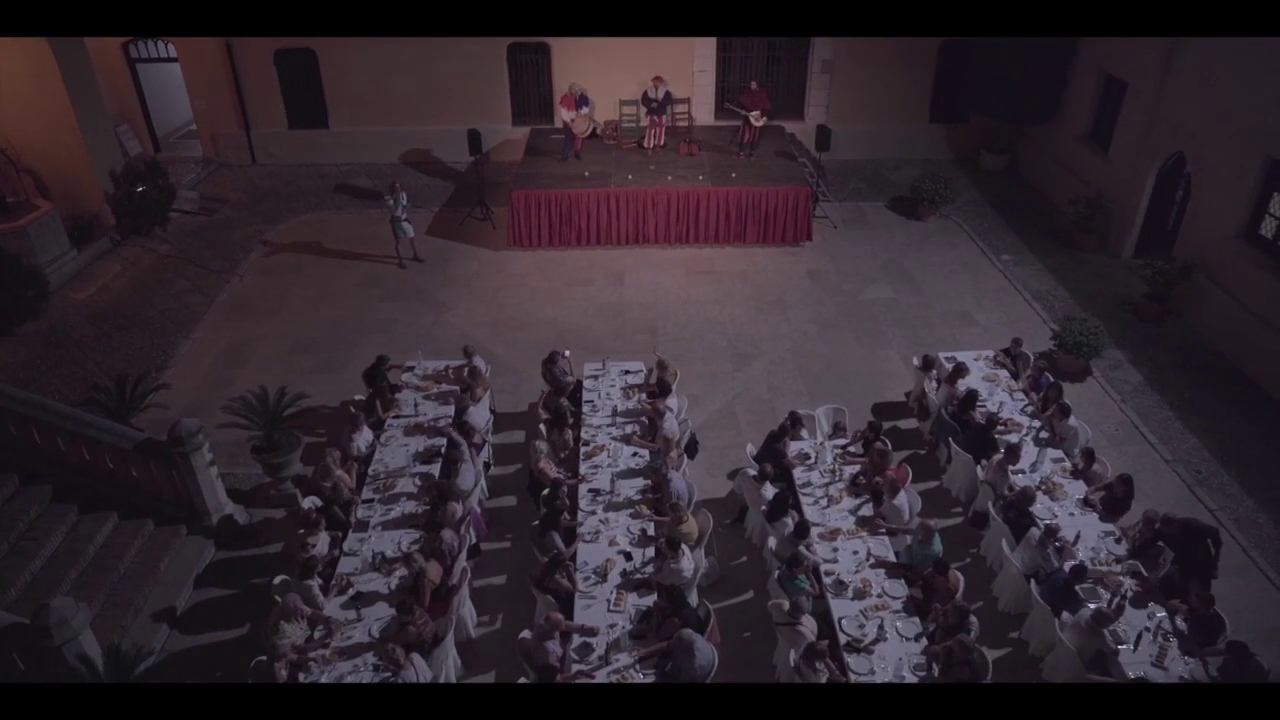
Beyond being a museum, the palace hosts concerts, exhibitions, lectures, and cultural events, keeping it alive as a functioning part of Gandia’s cultural life.
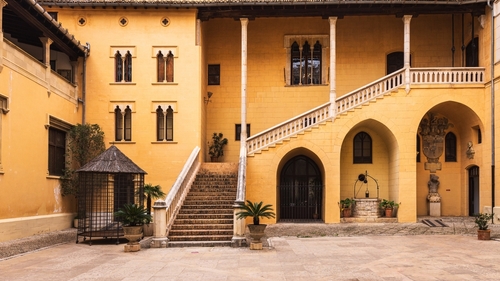
The Inner Courtyard Was Designed for Prestige
The central courtyard wasn’t just decorative—it was meant to impress visiting dignitaries and symbolize the family’s wealth and influence.
Original Furniture and Artwork Remain Inside
Several rooms still feature authentic furnishings, paintings, and tapestries, offering a rare glimpse into aristocratic life in Valencia.
It Survived Political Shifts and Changing Rule
Despite centuries of wars, reforms, and power changes in Spain, the palace has remained remarkably well preserved.
Its Location Tells a Story of Power
Positioned in Gandia’s historic center, the palace’s placement was intentional—asserting dominance over the town while staying connected to trade, religion, and governance.
Image Gallery Title
 English
  Español
  Italiano
  Français
  Português
  Deutsch
  Nederlands